How to Reconstitute Lyophilized Research Peptides
Estimated time: 15 minutes | For research purposes only
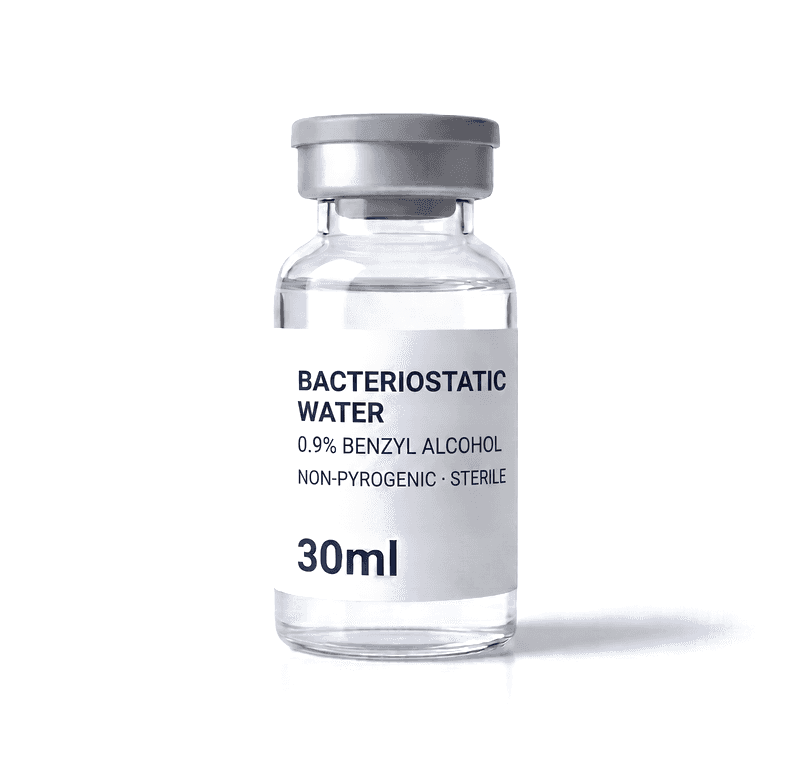
Reconstituting lyophilized peptides is a fundamental laboratory procedure that must be performed correctly to preserve the integrity and bioactivity of the compound. Lyophilized (freeze-dried) peptides are shipped as a stable powder and must be dissolved in a suitable solvent before use in research applications. This guide covers the standard reconstitution protocol using bacteriostatic water, which contains 0.9% benzyl alcohol to inhibit microbial growth and extend the usable life of the reconstituted solution.
Materials Needed
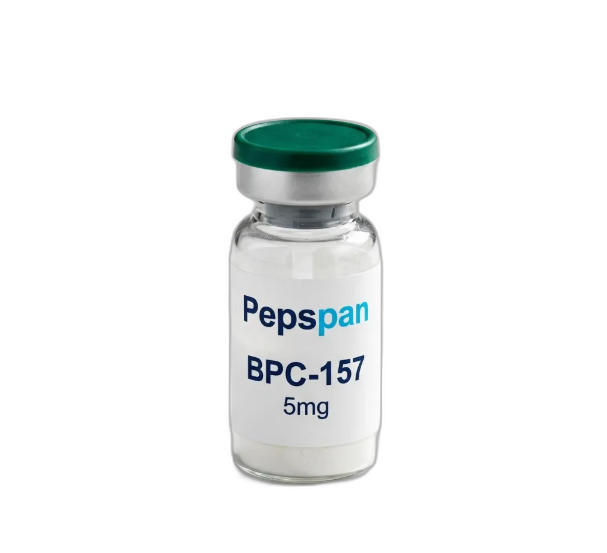
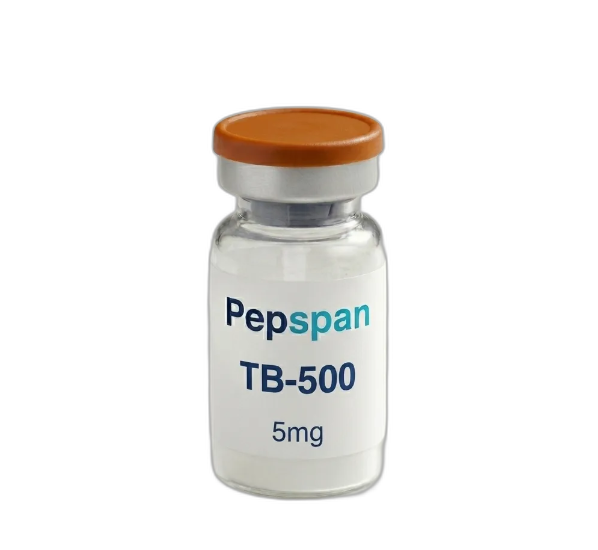
- Lyophilized peptide vial (e.g., BPC-157, TB-500, or any research peptide)
- Bacteriostatic water 30ml
- Standard laboratory aseptic-technique supplies (clean workspace, gloves, surface disinfectant)
Step-by-Step Instructions
- Set up a clean, aseptic workspace. Disinfect the rubber stoppers of both the peptide vial and the bacteriostatic water vial and allow them to dry completely before proceeding.
- Add the bacteriostatic water to the peptide vial. Introduce it gently down the inside glass wall of the vial rather than directly onto the lyophilized powder, as direct force can damage the peptide structure.
- Gently swirl the vial until the powder is fully dissolved. Use a slow, circular wrist motion until the solution is clear and colorless. Do NOT shake the vial — vigorous agitation can cause peptide degradation through denaturation and foaming.
- Label the vial with the date of reconstitution and peptide name. Proper labeling prevents confusion between compounds and allows you to track the shelf life of the reconstituted solution. Include the concentration if multiple dilutions are prepared.
- Store the reconstituted solution in a refrigerator (2-8 degrees Celsius). Reconstituted peptides should be kept refrigerated and used within the stability window stated for that compound. For guidance on long-term storage, refer to our peptide storage guide.
Important Notes
- Never use regular sterile water for reconstitution if you plan to use the peptide over multiple sessions. Bacteriostatic water contains a preservative that prevents bacterial growth.
- If the solution appears cloudy or contains visible particles after reconstitution, do not use it. This may indicate degradation or contamination.
- Different peptides may require different solvents (e.g., acetic acid for certain hydrophobic peptides). Always check the manufacturer's reconstitution guidelines.
- All Pepspan peptides ship with a Certificate of Analysis verifying purity and identity.
Related Products
Research Disclaimer
This guide is provided for research purposes only. Pepspan products are intended for laboratory research use. They are not drugs, food, cosmetics, or dietary supplements. Not approved for human or veterinary use by any regulatory agency. By using this information, you confirm that you are a qualified researcher and that any products will be used exclusively for legitimate scientific research purposes. All handling must comply with local regulations and institutional safety protocols.